About
About Nairobi National Park
A 117 square kilometre wilderness of open grassland, rocky valleys and riverine forest, just 7km from Nairobi's city centre.
Nairobi National Park was gazetted in 1946, making it Kenya's first national park and one of the oldest in Africa. It lies in Nairobi County, immediately south of the city centre, and is fenced along its northern, eastern and western boundaries. To the south, it is open to the Kitengela plains, forming a dispersal corridor into the wider Athi-Kaputiei ecosystem. It is one of only a handful of national parks in the world found inside a capital city.
Landscape and geography
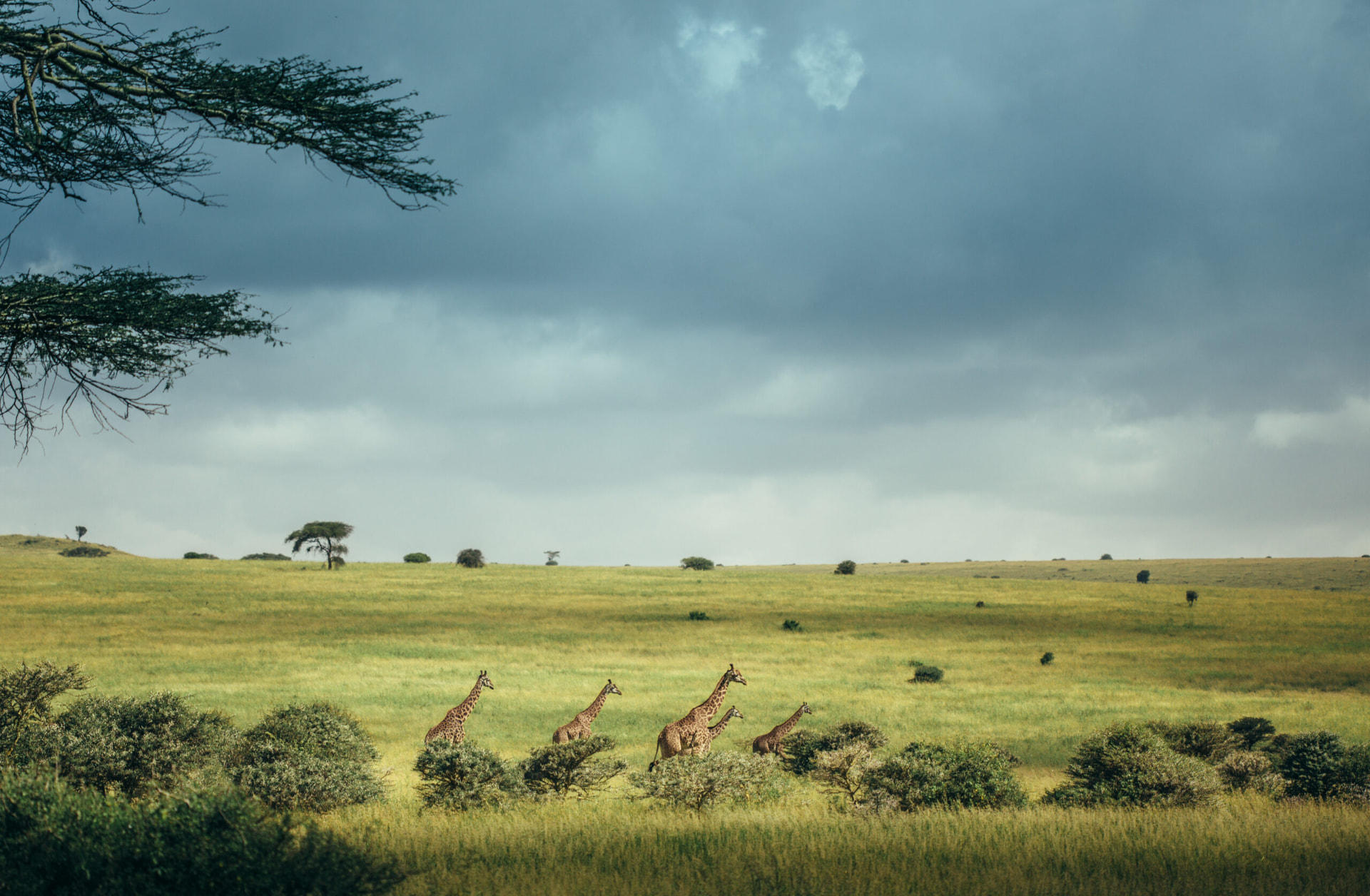
The park covers 117 square kilometres of open grassland dotted with acacia, giving way to rocky valleys, gorges and belts of highland dry forest along the Mbagathi River, which forms the park's southern boundary. The Athi Basin, in the eastern section of the park, holds a series of dams that draw wildlife and waterbirds year-round.
Because the park sits at over 1,600 metres above sea level, temperatures are noticeably cooler than in Kenya's lowland parks, and mornings can be crisp even in the dry season.
The Kitengela dispersal area
Unlike most of Kenya's fenced parks, Nairobi National Park's southern boundary is open, allowing zebra, wildebeest and other grazers to move seasonally between the park and the Kitengela plains beyond. This corridor is under increasing pressure from urban expansion, and conservation groups work closely with Maasai landowners in Kitengela to keep it open.
History and conservation
The park is managed by the Kenya Wildlife Service, whose headquarters sit at the Main Gate. It is home to the Ivory Burning Site Monument, where in 1989 President Daniel arap Moi set fire to twelve tonnes of confiscated ivory, a landmark moment in the global fight against poaching that has been repeated here several times since. The park also hosts the Nairobi Safari Walk, the Animal Orphanage and sits adjacent to the David Sheldrick Wildlife Trust's elephant nursery.
Despite its small size and proximity to a city of more than four million people, the park supports a remarkable density of wildlife, including one of the country's most important black and white rhino sanctuaries.
How Nairobi National Park compares
- Versus the Masai Mara: far smaller and without elephants or the wildebeest migration, but unmatched for convenience and rhino density.
- Versus Amboseli: no elephants and no Kilimanjaro backdrop, but a genuinely surprising wilderness minutes from a capital city skyline.
- Versus Tsavo: much smaller and easier to explore in a few hours, ideal for a stopover rather than a multi-day safari.
Keep reading
Plan the rest of your trip
Related guides
- Things to do in the parkOrphanage, Safari Walk, Hippo Pools and more.
- WildlifeLions, rhino, giraffe and the rest of the park's game.
- Best time to visitMonth-by-month weather, game viewing and crowds.
- How to get thereGates, drive times and airport transfers.
- Park feesCurrent KWS entry rates for residents and non-residents.
Not sure where to stay in Nairobi National Park?
Tell us your dates, budget and travel style and we will recommend the camps and lodges that fit — with no obligation.